
What Does a Trauma Therapist in Las Vegas Actually Help With?
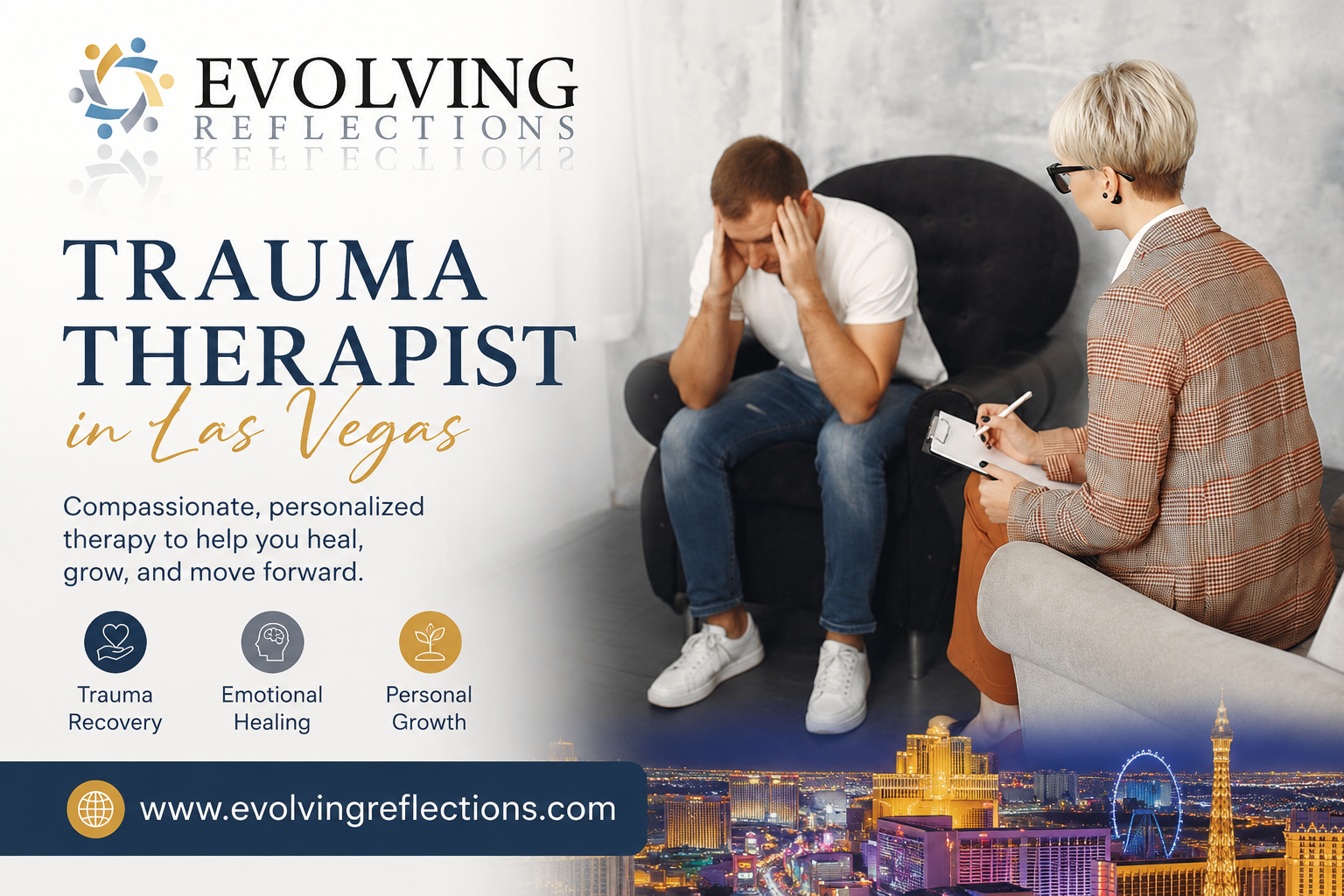
What Does a Trauma Therapist in Las Vegas Actually Help With?
Trauma can stay with a person long after the hard moment has passed. It may affect sleep, confidence, relationships, stress levels, and daily routines in ways that are not always easy to explain. Some people keep pushing through life while carrying pain they never really worked through. That is often where a trauma therapist in Las Vegas can help. Support like this gives people a steady place to understand what happened, how it still affects them, and how healing can begin safely and thoughtfully.
Understanding How Trauma Affects Mental and Emotional Health
Trauma can change the way the mind and body react to everyday life. A person may feel tense for no clear reason, become easily overwhelmed, or have trouble relaxing even in calm settings. Some people also feel numb, shut down, or stuck in old memories that keep showing up at the wrong time.
It can also affect how someone connects with others. Trust may feel harder. Communication may become tense. Even simple stress can feel bigger than it should. Over time, this can wear a person down and make normal life feel much heavier than it used to.
Common Signs That Someone May Need Trauma Therapy
Sometimes the signs are clear. Other times, they are easy to miss because the person has gotten used to living with them.
A few common signs include:
- Feeling on edge, jumpy, or unsafe even when nothing is happening
- Avoiding people, places, or conversations that bring back painful memories
These are not signs of weakness. They often mean the nervous system is still carrying stress that has not settled yet. When that happens, trauma therapy in Las Vegas may be a helpful next step.
What a Trauma Therapist in Las Vegas Actually Helps With
A trauma therapist in Las Vegas helps people make sense of difficult experiences without feeling judged or rushed. The goal is not to force anyone to relive pain. The goal is to help them understand their reactions and slowly build a stronger sense of safety.
Therapists may help with emotional stress, anxiety, depression, relationship struggles, family concerns, and trauma connected to domestic violence or sexual abuse. They also work with people who feel stuck after difficult life events and do not know how to move forward.
In many cases, therapy becomes a place where the person can finally breathe a little easier.
How Trauma Therapy in Las Vegas Supports Emotional Healing
Trauma therapy in Las Vegas often begins with creating trust. A person needs to feel safe before deeper healing can happen. That is why the early stages usually focus on understanding the client’s story, symptoms, and goals.
The intake process often looks at emotional struggles, mental health history, previous therapy, hospitalization history, medication history, and when symptoms began. This helps the therapist build support that matches the person’s actual needs.
Therapy may also be offered through individual, couples, family, or group counseling. That flexibility can matter a lot when trauma affects relationships or home life, too.
Therapy Techniques Commonly Used for Trauma Recovery
Different people need different tools. Some may need help naming emotions. Others may need support with grounding, stress control, or learning how to respond to triggers in healthier ways.
Trauma care may focus on:
- Learning how to calm the body when stress rises
- Building safer coping habits for hard moments
Teletherapy can also be part of care. Video sessions, phone-based psychotherapy, and remote mental health consultations can make support easier to access for people who need privacy or convenience.
Why Personalized Trauma Treatment Matters
No two trauma stories are the same. One person may carry grief and fear. Another may carry anger, shame, or years of stress. That is why personal treatment planning matters so much.
A good trauma therapist listens closely before making a plan. This helps the work feel more human and less mechanical. It also gives people a better chance to heal in a way that fits their real life, not someone else’s.
How Trauma Therapy Can Improve Daily Life and Relationships
With steady support, people often notice changes in everyday life. Sleep may improve. Focus may feel easier. Reactions may become calmer. Relationships can also get better because the person feels less trapped by old pain.
This is where trauma therapy in Las Vegas can make a real difference. It can help people feel more present, more stable, and more confident in daily life.
Taking the First Step Toward Healing and Emotional Recovery
Starting therapy can feel scary, especially after pain has been carried for a long time. Still, taking that first step can open the door to real change. Healing does not happen all at once, but it often starts with one honest conversation and the right kind of support.
Start Your Healing Journey With Professional Trauma Support in Las Vegas
If you are ready to begin, Evolving Reflections Counseling Center offers a caring place to explore trauma, stress, and emotional healing. With the right support, trauma therapy in Las Vegas can become the first step toward feeling safer, steadier, and more in control again.
FAQs
Q. What does a trauma therapist help with?
Ans: A trauma therapist helps people process painful experiences, reduce stress reactions, and build healthier coping skills for daily life.
Q. Can trauma therapy help with anxiety, too?
Ans: Yes. Trauma and anxiety often overlap, so therapy may help calm the nervous system and reduce trigger-based fear.
Q. Is online trauma therapy effective?
Ans: Yes. Remote sessions can still offer support, structure, and confidentiality while making care easier to access.
Q. How long does trauma therapy take?
Ans: It depends on the person’s history, symptoms, and goals. Some people need short-term support, while others benefit from longer care.
Q. Why is personalized trauma treatment important?
Ans: Because trauma affects everyone differently. Personal treatment helps therapy match the client’s needs, history, and comfort level.